Unlocking the World of Bean to Cup Machines: Your Ultimate Guide
Recently, the demand for fresh, premium coffee has actually risen, causing a rise in the popularity of bean to cup machines. These devices provide a practical method for coffee lovers to take pleasure in newly ground coffee at the touch of a button. This article explores the benefits, features, and considerations of bean to cup machines, ensuring readers are educated before purchasing.
Comprehending Bean to Cup Machines
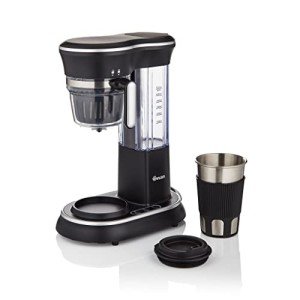
Bean to cup machines are automated coffee makers that grind whole coffee beans prior to developing. Whole Bean Espresso Machine makes the most of flavor retention, fragrances, and essential oils, supplying a remarkable taste experience compared to pre-ground coffee. Designed for convenience, these machines can produce a range of coffee designs, including espresso, cappuccinos, and lattes.
Benefits of Bean to Cup Machines
- Freshness: Grinding the beans instantly before brewing preserves the coffee's natural flavors. Fresh coffee grounds release important oils that contribute to a richer taste.
- Convenience: Many bean to cup machines are developed for user-friendly operation. With the push of a button, users can enjoy their preferred coffee beverages without complex brewing approaches.
- Flexibility: Most machines offer personalized settings, enabling users to change grind size, coffee strength, and beverage size according to individual choices.
- Consistency: With automated grinding and brewing processes, these machines offer constant brewing outcomes, making sure a quality cup each time.
- Economical: While the upfront investment may be greater, the long-term cost savings from preventing coffee shop gos to can make these machines economically favorable.
Secret Features to Consider
When selecting a bean to cup machine, it's necessary to search for particular features that suit individual requirements. The following table sums up essential features and their benefits:
| Feature | Description | Advantage |
|---|---|---|
| Grind Settings | Adjustable settings for various grind sizes (coarse to fine) | Allows customization based on coffee type and preference |
| Milk Frother | Integrated frothing innovation for creamy textures in milk-based beverages | Boosts coffee variety (e.g., lattes, coffees) |
| Water Reservoir Size | Differs from 1 to 2 liters; some machines have built-in water filters | A bigger tank needs less frequent refills |
| Interface | Digital screens and programmable options for various drink settings | Makes it easy to personalize beverages |
| Cleaning and Maintenance | Automatic cleaning cycles and removable brewing systems | Simplifies maintenance for long-lasting use |
Leading Bean to Cup Machines on the marketplace
The market is saturated with bean to cup coffee machines, each offering distinct features. Here's a list of some of the leading designs presently readily available:
De'Longhi Dinamica ECAM35020
- Functions: Adjustable coffee strength, integrated frother, automatic cleaning
- Pros: Compact design, user-friendly user interface
Breville Oracle Touch
- Functions: Touchscreen operation, double boiler system, programmable settings
- Pros: High-end performance, versatile brewing choices
Philips 3200 Series
- Functions: Touch display screen, 5 different coffee designs, AquaClean filter
- Pros: Affordable, easy to tidy
Jura E8
- Functions: Pulse Extraction Process, great foam innovation, intelligent water system
- Pros: Excellent quality, clever innovation integration
Siemens EQ.9
- Features: Dual coffee beans compartment, home connect app, personalized settings
- Pros: Versatile, clever home integration abilities
Upkeep Tips for Bean to Cup Machines
To ensure a long lifespan for a bean to cup machine, routine upkeep is vital. Here are some handy pointers:
- Daily Cleaning: Clean the brewing system and water tank every day to avoid residue accumulation.
- Use Fresh Beans: Store coffee beans in an airtight container to maintain freshness. Prevent acquiring overly big quantities.
- Descale Regularly: Follow the manufacturer's guidelines for descaling to avoid mineral accumulation.
- Check for Wear and Tear: Regularly examine parts for signs of wear, specifically the mill and the water supply.
Frequently Asked Questions (FAQs)
What is the rate variety for bean to cup machines?
The rate of bean to cup machines can differ substantially. Fundamental models start around ₤ 300, while high-end models can go beyond ₤ 2,000. The best option will depend upon features desired and budget restrictions.
Are bean to cup machines tough to clean?
A lot of bean to cup machines include features designed for easy cleaning. Numerous models have automatic cleansing procedures, and removable parts streamline maintenance.
Can bean to cup machines make iced coffee?
While beans to cup machines mainly concentrate on hot drinks, some designs have features that make it possible for users to prepare cold beverages by adjusting developing temperature level and strength.
Do bean to cup machines need special coffee beans?
There are no specific bean restrictions; however, it is usually recommended to utilize high-quality coffee beans for optimal flavor.
The length of time do bean to cup machines last?
With proper maintenance, a great quality bean to cup machine can last anywhere from 5 to 10 years, making it a worthy financial investment for coffee enthusiasts.
Bean to cup machines provide an advanced method to delight in coffee in the house. With their ability to brew a fresh cup of coffee at the push of a button, these machines accommodate both casual drinkers and serious coffee aficionados. By understanding the crucial functions, benefits, and maintenance pointers, customers can make educated getting choices, guaranteeing their journey into the world of newly brewed coffee is as satisfying as possible.